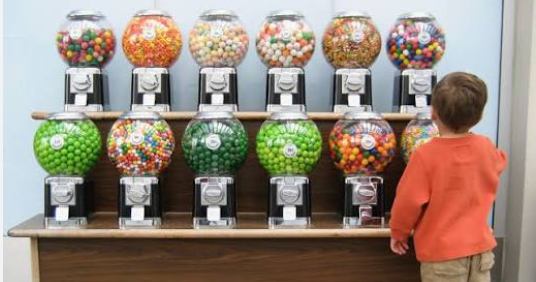

Here’s a number that surprised me the first time I looked into this: a single well-placed candy vending machine can clear $200 to $400 a month in pure profit, and most of that comes from restocking maybe twice a week. No employees, no storefront, no lease you’re stuck with for three years. If you’re wondering how to start a candy machine business, the honest answer is that the hard part isn’t the machines. It’s everything around them.
I’ve talked to enough small vending operators to know the ones who make real money aren’t the ones with the fanciest equipment. They’re the ones who treated it like a business from day one instead of a side hustle they’d figure out later.
Why candy vending still works in 2026
People assumed vending would die with cashless payments and phone-in delivery apps. It didn’t. Card and tap readers actually pushed sales up in a lot of locations because people who never carry cash suddenly could buy a $2 candy bar without thinking twice.
The math is simple. A basic candy machine costs somewhere between $1,000 and $3,000 depending on whether you buy new, used, or refurbished. Candy itself is cheap in bulk, often 20 to 30 cents per item wholesale, and you’re selling it for $1 to $2. That margin is where the business actually lives.
What it costs to get started
Before you sign anything, get real numbers in front of you. Here’s roughly what you’re looking at:
- Machine cost: $1,000-$3,000 per unit (used machines can run under $600)
- Initial inventory: $150-$300 to fully stock a machine
- Business licensing and permits: varies by state, often $50-$200
- Location placement fees or commission: some property owners want 10-15% of sales, others charge flat rent
- Transportation: a van or truck if you’re running multiple machines
- Sales tax registration, which most states require for vending
If you’re already running any kind of small operation, whether that’s a service business or a content site, you already know that the licensing and bookkeeping side eats more time than people expect. I wrote a separate guide on how to start a bookkeeping company that covers how to set up clean books from month one, and honestly the same discipline applies here. Vending income adds up in small transactions, and if you’re not tracking it properly, tax season becomes a mess.
Finding locations that actually sell
This is where most new operators get it wrong. They put a machine wherever a friend of a friend has space, without checking foot traffic or what’s already there.
Good locations share a few traits:
- High foot traffic that repeats daily, not just occasionally
- A captive audience with limited alternatives nearby (think break rooms, not food courts)
- Low competition from other vending machines or a snack bar
- Property managers or owners open to a simple placement agreement
Schools, gyms, laundromats, auto repair shops, and office break rooms tend to perform well. Hospitals and universities can be gold mines but often require more paperwork and sometimes exclusive vending contracts you’ll need to work around.
Don’t be afraid to walk in and ask. Most business owners have never been approached about a vending machine and are more open to it than you’d think, especially if you offer a cut of the sales instead of asking for free space. Bring a one-page proposal with your machine’s dimensions, a photo, and the cut you’re offering. It looks more serious than showing up with just a pitch, and it gets you a yes faster.
Setting up your candy vending machine business the right way
Once you’ve got a location, register your business properly. An LLC is worth the paperwork here since it separates your personal assets from any liability tied to the machines. Filing costs vary by state but usually land between $50 and $500.
You’ll also want:
- A dedicated business bank account, even if you’re only running two machines
- A simple spreadsheet or app to track restocking costs, sales, and location fees
- A relationship with a wholesale candy supplier, since buying retail will destroy your margins fast
- A maintenance plan for jammed coils or broken bill acceptors, because they will happen
Scaling past your first machine
The people who actually build something here don’t stop at one machine. They reinvest the profit from machine one into machine two, then three, learning which candy sells fastest at which type of location along the way. This is really the second half of learning how to start a candy machine business: the first machine teaches you the mechanics, and the second one is where you start making real decisions based on data instead of guesses.
A gym crowd wants protein bars and sugar-free options. A school wants classic chocolate and chips. Paying attention to what actually sells, and adjusting instead of assuming, is what separates someone running a real operation from someone who bought a machine and forgot about it.
If you’re serious about how to start a candy machine business that grows past a hobby, treat the first machine as a test. Track everything for 90 days, then decide whether to expand, relocate, or walk away. That’s not a failure. Some locations just don’t work, and knowing that early saves you money later.
Starting small, staying organized, and picking locations with actual foot traffic will get you further than any amount of fancy equipment ever will.